
In today’s fast-paced digital landscape, organizations face growing pressure to streamline their IT resources while maintaining efficiency, performance, and scalability. From managing hardware to optimizing human talent and software tools, how well your IT resource allocation is can make or break your projects.
It’s no longer just about having the right technology in place—it’s about using it wisely.
Allocating IT resources refers to the process of distributing and optimizing available resources, including hardware, software, personnel, and budget, in a manner that aligns with business objectives. With increasing complexity in IT infrastructures, inefficient resource allocation can lead to delays, budget overruns, and missed opportunities.
In this article, we’ll dive into the best practices for IT resource allocation, exploring its key elements, importance, and practical steps to help organizations optimize their IT investments.
What are IT resources?
Before we dive into the best practices for allocating IT resources, it’s important to first define what IT resources are and why they matter.
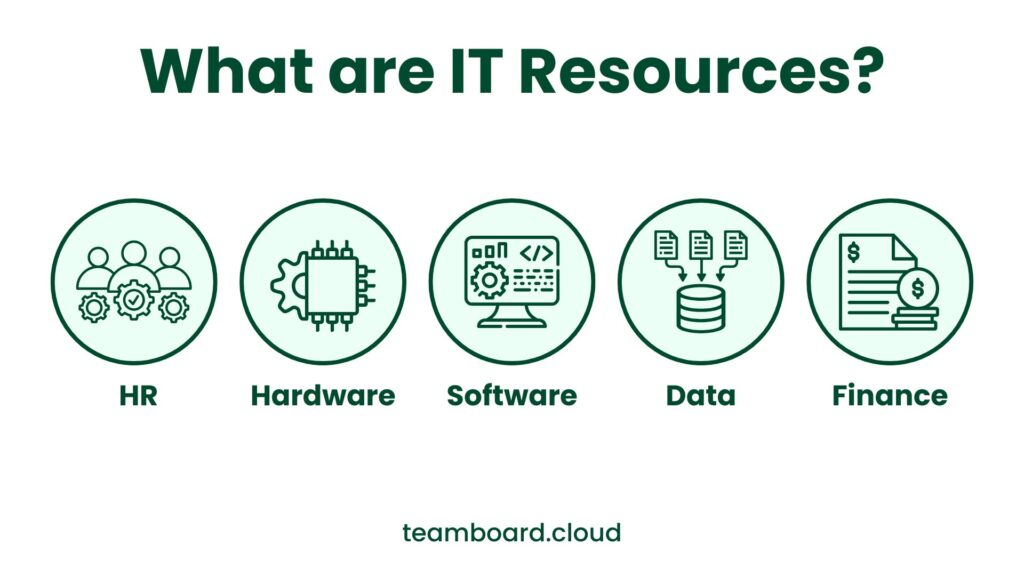
IT resources encompass all the components an organization needs to run its technology operations efficiently. These resources are typically divided into several categories:
- Human Resources: Skilled personnel, including IT staff, developers, system administrators, and technical support teams.
- Hardware: Physical devices like servers, workstations, networking equipment, storage devices, and other hardware required to run IT systems.
- Software: Applications, operating systems, platforms, and enterprise tools that enable IT teams to execute projects and operations.
- Data: Information processed, stored, and transmitted within IT systems, including databases, files, and analytics.
- Financial Resources: Budget allocated for IT purchases, ongoing operations, upgrades, and employee compensation.
These resources work in tandem to ensure the IT infrastructure is robust, scalable, and effective. But, as the technology landscape evolves, the challenge becomes ensuring these resources are allocated in a way that maximizes value for the organization.
Key elements of IT resource allocation
Effective IT resource allocation requires careful planning, organization, and management. Let’s explore the key elements involved in ensuring that IT resources are optimally distributed.
1. Resource planning
Resource planning is about identifying the resources you’ll need to achieve business objectives and strategic goals. The planning process involves assessing current capabilities, predicting future demands, and ensuring that resources are available at the right time.
This process should consider:
- The number of personnel required for specific tasks
- Hardware and software necessary for projects
- Forecasting additional resource needs for future growth or expansion
Good resource planning in project management helps ensure that the right tools and talent are available when needed, reducing inefficiencies and bottlenecks.
2. Capacity planning
Capacity planning refers to forecasting IT resource requirements based on current and future demand or workload. It involves evaluating the capacity of existing resources—such as servers, storage, and networks.
Besides, it allows managers to predict how much additional capacity will be needed as the organization grows.
Key elements of capacity planning include:
- Balancing demand and supply: Predicting future resource needs based on historical trends and business projections.
- Identifying resource bottlenecks: Capacity planning helps pinpoint potential resource shortages (e.g., processing power, bandwidth) before they impact operations.
- Scalability: Ensuring resources are allocated to meet growing demand, especially when scaling IT infrastructure for future projects or business growth.
- Tools and techniques: Many IT teams use capacity planning tools like load-testing software, performance monitoring tools, and cloud-based resource simulators to forecast demand and allocate resources accordingly.
3. Prioritization
Once resources are identified, prioritization is essential. Not all IT resources are created equal, and different projects may require different types of support.
Additionally, high-priority projects should receive the necessary resources to succeed, while lower-priority tasks can wait or make do with fewer resources.
This prioritization process should be based on:
- Business goals: Allocating resources to projects that have the greatest impact on organizational success.
- Return on investment (ROI): Giving resources to initiatives that yield the highest ROI or strategic value.
- Urgency: Ensuring critical systems, such as customer-facing applications or enterprise resource planning (ERP) tools, receive priority over less time-sensitive tasks.
By aligning resources with the most pressing business needs, organizations can ensure that IT efforts contribute directly to long-term success.
4. Optimization
Optimizing resources means using available resources as effectively as possible, without wastage or underutilization. In practice, optimization involves:
- Right-sizing resources: Allocating the correct number of resources—whether it’s people or technology—for each task. For instance, an overstaffed project could lead to inefficiencies, while an understaffed project could cause delays.
- Maximizing software usage: Ensuring that software licenses are used fully and not sitting idle.
- Hardware utilization: Making sure that physical infrastructure is properly configured and used efficiently. For example, a server running at 20% capacity represents wasted potential.
Optimization requires regular monitoring and a commitment to making adjustments whenever needed.
5. Tracking and monitoring
Tracking and monitoring IT resources is a vital part of allocation. By continuously analyzing the performance of both hardware and human resources, organizations can identify inefficiencies or overuse.
This helps ensure resources are allocated where they’re most needed, preventing potential disruptions.
- Resource usage tools: Tools like monitoring dashboards, software for resource tracking, and real-time alerts help provide insight into how resources are being consumed.
- Performance tracking: Measuring key performance indicators (KPIs) and resource utilization metrics ensures that resource distribution remains optimal.
Monitoring also aids in troubleshooting any resource shortages or excesses.
6. Flexibility
The ability to remain flexible is crucial in today’s ever-changing technological environment. Business goals and project priorities can shift, and IT resources should be able to adapt to these changes quickly. Flexibility can be achieved through:
- Cloud services: Scalable infrastructure that can expand or contract based on demand.
- Cross-functional teams: Creating flexible teams that can be reassigned to different projects as necessary.
- Automation: Automated tools can dynamically allocate resources in response to fluctuations in demand.
Being flexible allows organizations to navigate changes without overcommitting to resources that may soon be obsolete.
Why should you pay more attention to IT resource allocation?
Effective IT resource allocation isn’t just a matter of keeping things running smoothly—it has profound impacts on overall business performance. Here are a few reasons why you should prioritize this aspect of IT management.
1. Cost efficiency
Inefficient allocation can result in unnecessary costs. Whether it’s underutilized software licenses, over-purchasing hardware, or staffing more people than needed, wasted resources add up.
Besides, proper allocation ensures you only spend what’s necessary, contributing to better cost control.
2. Productivity and efficiency
By allocating the right resources to the right tasks, teams can work more efficiently, avoid downtime, and meet deadlines faster. This leads to faster project completion and a more responsive IT department.
3. Scalability and growth
Proper resource allocation ensures that IT systems and infrastructure can scale as the organization grows. Instead of scrambling to accommodate future needs, proactive resource planning helps position your business for long-term success.

4. Risk management
Under-allocated or misallocated resources can cause critical systems to fail, risking downtime or data loss. Proper allocation reduces operational risks and minimizes the chances of unforeseen issues arising.
5. Improved decision-making
Accurate data about resource availability and utilization allows IT leaders to make better, data-driven decisions. This can help you strategically allocate resources, avoid bottlenecks, and ensure that projects stay on track.
6 best practices for IT resource allocation
To optimize IT resource allocation, here are some key best practices.
1. Align resources with business objectives
You should ensure that IT resources are dedicated to projects that support your organization’s strategic goals. This alignment maximizes ROI and ensures that every dollar spent on IT contributes directly to business outcomes.
2. Use of resource management tools
You can also leverage tools like Microsoft Project, Jira, and Asana to track and manage IT resources efficiently. These tools allow IT managers to visualize resource allocation, track usage, and identify potential inefficiencies.
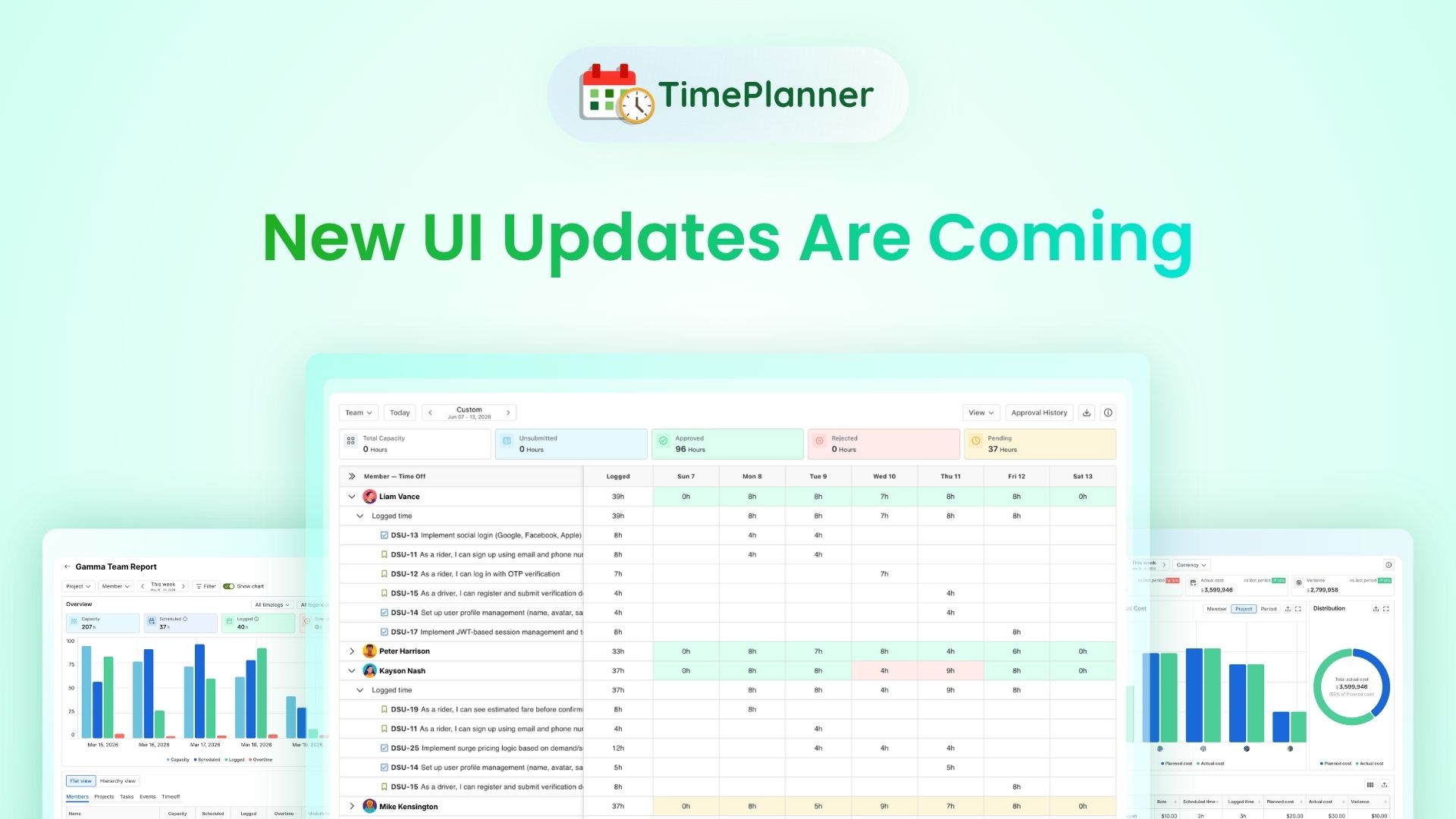
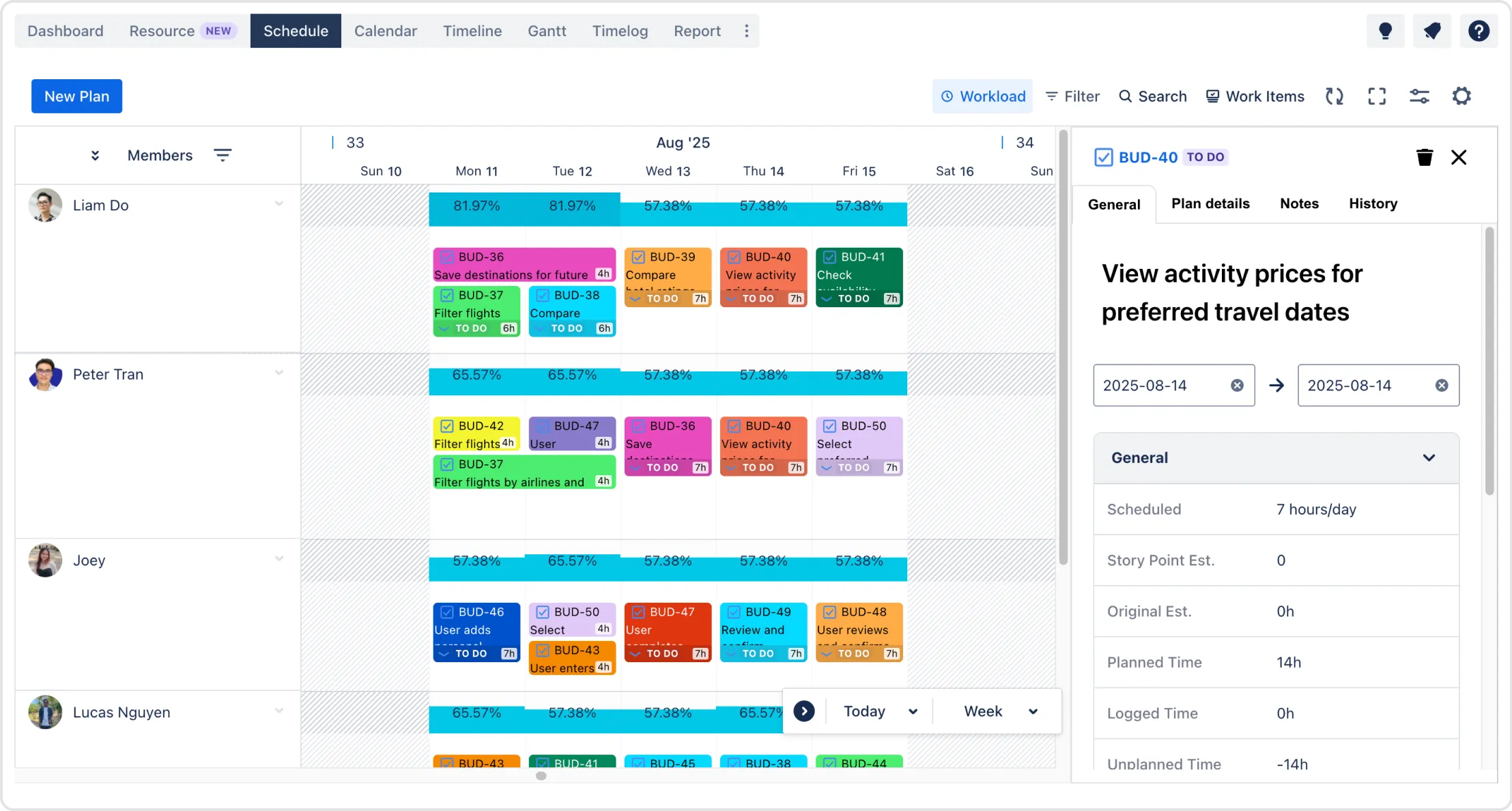
And if you’ve already been working with Jira, you can look for third-party apps like TeamBoard TimePlanner to streamline your resource allocation. Moreover, it is a powerhouse for all your needs:
- Enhanced task planning in the Schedule board and Calendar view
- Detailed time logging with timesheet approvals
- Comprehensive team availability and capacity planning capabilities
3. Forecasting demand
Anticipate future IT resource requirements based on past usage, upcoming projects, and business growth projections. Forecasting ensures that you won’t find yourself scrambling for resources during critical moments.
4. Regular audits and reviews
Periodic audits of your IT resources help ensure they are still being used effectively. It’s also an opportunity to adjust allocations based on new business needs or emerging technologies.
5. Cross-department collaboration
You should work closely with other departments (e.g., HR, marketing, and finance) to ensure IT resources are aligned with the overall business strategy and operations. This will allow for better coordination and more effective resource distribution.
6. Agility and flexibility
Finally, it is recommended to stay responsive to changes by keeping your resource allocation strategies flexible. Whether you’re shifting priorities or responding to unforeseen challenges, flexibility in your allocation plan ensures you remain agile.
Conclusion
In today’s competitive landscape, IT resource allocation plays a critical role in ensuring that organizations remain efficient, productive, and responsive. By adopting best practices like proper planning, prioritization, and monitoring, businesses can ensure their IT resources are optimized for growth and innovation.
The key lies in being proactive, staying flexible, and continually refining your resource allocation strategy to align with evolving business goals.
Ultimately, how well you allocate your IT resources will significantly impact your organization’s ability to adapt, scale, and succeed in an ever-changing digital environment.